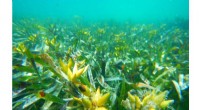
* What is Photosynthesis? Photosynthesis is a chemical reaction where plants use sunlight, water, and carbon dioxide to create their own food (glucose) and release oxygen as a byproduct.
* How it Works:
* Sunlight: Plants absorb light energy from the sun using a green pigment called chlorophyll.
* Water: Water is absorbed from the soil through the plant's roots.
* Carbon Dioxide: Carbon dioxide is taken in from the air through tiny pores called stomata on the leaves.
* Glucose (Food): The energy from sunlight is used to convert carbon dioxide and water into glucose (a sugar), which the plant uses as fuel for growth and other processes.
* Oxygen: As a byproduct of this process, oxygen is released into the atmosphere.
Simplified Equation:
Sunlight + Water + Carbon Dioxide → Glucose + Oxygen
Why is Photosynthesis Important?
* Food Source: Plants are the base of the food chain, providing food for animals and humans.
* Oxygen Production: Photosynthesis releases oxygen into the atmosphere, which is essential for most living organisms to breathe.
* Climate Regulation: Plants absorb carbon dioxide from the atmosphere, helping to regulate the Earth's climate.