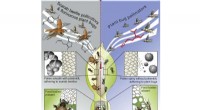
1. Ribosomes: These are the primary sites of protein synthesis. They act like tiny factories, reading the genetic code from messenger RNA (mRNA) and assembling amino acids into polypeptide chains, which then fold into functional proteins. Ribosomes can be found:
* Free in the cytoplasm: These ribosomes produce proteins that will be used within the cell itself.
* Bound to the endoplasmic reticulum (ER): Ribosomes attached to the ER produce proteins destined for export outside the cell, insertion into the cell membrane, or delivery to other organelles.
2. Endoplasmic Reticulum (ER): The ER is a network of membranes that plays a crucial role in protein synthesis, particularly for proteins destined for export or insertion into the cell membrane. The ER provides a pathway for protein movement and assists in protein folding and modification.
In summary, the primary site of protein synthesis is the ribosomes, both free and bound to the ER. The ER then plays a crucial role in the subsequent processing and delivery of proteins.