Here's a breakdown:
* General Cells: All cells have basic functions like producing energy, maintaining their structure, and replicating.
* Specialized Cells: These cells go beyond the basic functions and develop specific adaptations that allow them to perform a specific role within the organism.
Examples of Specialized Cells:
* Nerve cells (neurons): They have long extensions called axons that transmit electrical signals, allowing communication between different parts of the body.
* Muscle cells: They contain contractile proteins that allow them to shorten and generate force, enabling movement.
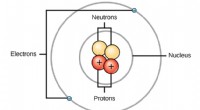
* Red blood cells: These lack a nucleus and contain hemoglobin, which carries oxygen throughout the body.
* Epithelial cells: They form protective layers that line the surfaces of organs and cavities.
Key Points about Specialization:
* Cell Differentiation: The process by which cells become specialized is called differentiation. This involves turning on and off specific genes, which ultimately leads to the production of unique proteins and structures.
* Multicellularity: Specialization is a key feature of multicellular organisms, as it allows for division of labor and the efficient performance of complex tasks.
* Tissues and Organs: Specialized cells often group together to form tissues (like muscle tissue) which, in turn, combine to create organs (like the heart).
In essence, specialization is the process by which cells become highly adapted to perform specific functions, contributing to the overall complexity and efficiency of multicellular life.