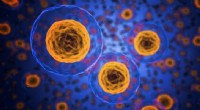
Cells divide for two primary reasons:
1. Growth and Development:
* Multicellular organisms: When an organism grows, it's not simply getting bigger, but rather increasing the number of cells it contains. This process starts from a single fertilized egg cell and continues throughout life.
* Tissue Repair: When tissues are damaged, cells divide to replace lost or damaged cells, ensuring the integrity of the organism.
* Embryonic Development: The formation of a complex organism from a single cell involves numerous rounds of cell division.
2. Reproduction:
* Unicellular organisms: Cell division is the primary mode of reproduction for organisms like bacteria and amoebas.
* Sexual Reproduction: While the formation of gametes (sperm and egg) is not cell division itself, the process of meiosis, which produces gametes, involves cell division.
When a cell divides depends on several factors:
* Type of cell: Different cell types have different lifespans and division rates. For example, skin cells divide more frequently than nerve cells.
* Environmental factors: Availability of nutrients, growth factors, and oxygen can influence cell division.
* Internal signals: Cells respond to signals like hormones and growth factors, triggering the division process.
* Cell cycle control: A complex system of checkpoints ensures that cells divide only when appropriate, preventing uncontrolled growth and potential harm.
The process of cell division is highly regulated and essential for the proper functioning and survival of all living organisms.
Here's a quick breakdown of the different types of cell division:
* Mitosis: Produces two identical daughter cells from a single parent cell. This is the primary form of cell division for growth and repair.
* Meiosis: Produces four daughter cells with half the number of chromosomes as the parent cell. This is crucial for sexual reproduction, creating the gametes needed for fertilization.
There are several other aspects to consider regarding cell division:
* Cancer: Uncontrolled cell division is the hallmark of cancer.
* Cell aging: As cells age, their ability to divide diminishes.
* Stem cells: These cells have the ability to divide and differentiate into various cell types, playing a crucial role in development and regeneration.
Understanding when and why cells divide is fundamental to understanding the complex biology of all living organisms.