Here's a more detailed breakdown:
Key Aspects of Biology:
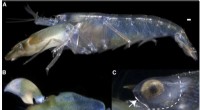
* Study of Living Organisms: Biology focuses on understanding the structure, function, growth, origin, evolution, and distribution of all living things, including plants, animals, fungi, bacteria, and viruses.
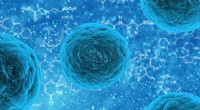
* Levels of Organization: Biology explores life at different levels, from the molecular level (DNA, proteins) to the cellular level (cells, tissues, organs), and to the organism level (individuals) and beyond, encompassing populations, communities, and ecosystems.
* Processes of Life: Biology investigates the fundamental processes common to all living organisms, such as metabolism, reproduction, heredity, and adaptation.
* Scientific Method: Biology utilizes the scientific method to investigate and understand life phenomena. This involves observation, experimentation, data analysis, and drawing conclusions.
* Interdisciplinary Nature: Biology overlaps with other scientific disciplines, such as chemistry, physics, geology, and mathematics.
In essence, biology seeks to answer fundamental questions about life, including:
* What is life?
* How did life originate?
* How do living organisms function?
* How do organisms interact with each other and their environment?
* What are the mechanisms of evolution and diversity?
By studying biology, we gain a deeper understanding of ourselves, the natural world, and the challenges facing our planet.