* Interphase: This is the longest stage of the cell cycle and is divided into three phases:
* G1 (Gap 1): The cell grows and carries out its normal functions.
* S (Synthesis): The cell replicates its DNA, creating two identical copies of its genome.
* G2 (Gap 2): The cell continues to grow and prepares for mitosis.
* G2 Phase: This is the final stage of interphase, where the cell is ready to enter mitosis. Here's what's happening:
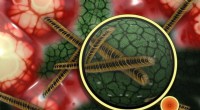
* Growth & Protein Synthesis: The cell continues to grow and synthesize proteins needed for mitosis, like microtubule proteins for the spindle fibers.
* Organelle Replication: The cell replicates its organelles like mitochondria and Golgi bodies.
* Checkpoints: The cell undergoes checkpoints to ensure its DNA is intact and ready for division. If there are any errors, the cell cycle can be halted to allow for repairs.
Key Characteristics of a Cell in G2:
* Doubled DNA: The cell has replicated its DNA, now possessing two complete sets of chromosomes.
* Increased Size: The cell has increased in size to accommodate the upcoming division.
* Organelles Replicated: The cell has duplicated its organelles to provide for two daughter cells.
* Ready for Mitosis: The cell has completed the necessary preparations and is ready to enter the mitotic phase.
Once the cell passes the final G2 checkpoint, it enters the first stage of mitosis, prophase, and the process of cell division begins.