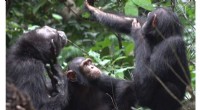
1. Competition: This occurs when two or more organisms need the same limited resource, such as food, water, space, or sunlight. This can be intraspecific (between members of the same species) or interspecific (between members of different species). Competition often results in one organism being more successful than the other, leading to a decrease in population size or even exclusion.
2. Predation: This is a relationship where one organism (the predator) kills and consumes another organism (the prey). This interaction is vital for maintaining ecosystem balance, helping to regulate prey populations.
3. Symbiosis: This involves close and often long-term interactions between two different species. There are three main types of symbiosis:
* Mutualism: Both organisms benefit from the interaction. For example, a bee pollinating a flower, gaining nectar in return.
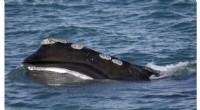
* Commensalism: One organism benefits, while the other is neither helped nor harmed. For example, barnacles attaching to a whale for transport.
* Parasitism: One organism (the parasite) benefits at the expense of the other (the host). For example, a tapeworm living in a human's intestines.