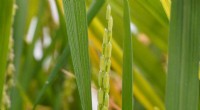
Plants:
* Cell Walls: These are rigid structures found outside the cell membrane of plant cells. They are primarily made of cellulose, a complex carbohydrate that gives plants their structural integrity. Cell walls provide strength, support, and shape to plant tissues and organs.
* Vacuoles: These are large, fluid-filled sacs within plant cells. They store water and provide turgor pressure, which pushes against the cell wall and helps maintain the plant's shape.
* Sclerenchyma and Collenchyma Tissues: These are specialized plant tissues that provide further support.
* Sclerenchyma cells have thick, rigid cell walls and are found in areas that need extra support, like the veins of leaves and the stems of plants.
* Collenchyma cells have thicker cell walls at their corners, providing flexibility and support to young, growing stems and petioles.
* Xylem and Phloem: These vascular tissues transport water and nutrients throughout the plant. The xylem also plays a role in structural support, as its strong, lignified cells help hold the plant upright.
In Summary:
Plants utilize a combination of cell walls, vacuoles, and specialized tissues to provide structural support and maintain their form.






![Dog Breed & Behavior: Separating Fact from Fiction | [Your Brand Name]](https://www.scienceaq.com/article/uploadfiles/202210/2022102023561850_S.jpg)