1. Competition:
* Interspecific competition: Occurs between different species competing for the same limited resources (e.g., food, water, territory, mates).
* Intraspecific competition: Occurs within the same species, where individuals compete for the same resources.
* Example: Lions and hyenas competing for prey in the same area.
2. Predation:
* One species (predator) hunts, kills, and consumes another species (prey).
* This interaction influences population dynamics and can drive evolutionary adaptations in both predator and prey.
* Example: Wolves hunting elk in a forest.
3. Mutualism:
* A relationship where both species benefit from the interaction.
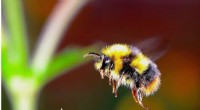
* Example: Bees pollinating flowers, obtaining nectar while transferring pollen.
4. Commensalism:
* One species benefits while the other species is neither harmed nor helped.
* Example: Barnacles attaching to whales, getting a free ride and access to food.
5. Parasitism:
* One species (parasite) benefits at the expense of another species (host).
* The parasite lives in or on the host, often causing harm.
* Example: Tapeworms living in the intestines of mammals.
6. Amensalism:
* One species is harmed while the other species is unaffected.
* Example: A large tree shading smaller plants, preventing them from getting sunlight.
7. Neutralism:
* Two species interact but have no effect on each other.
* Example: Two species living in the same area but not interacting significantly.
Beyond these basic categories, species interactions can be:
* Direct: Involve immediate contact or physical interaction between the species.
* Indirect: Occur through shared resources or environmental effects, even without direct contact.
* Dynamic: Constantly changing over time due to environmental factors, population fluctuations, and evolutionary adaptations.
Importance of Species Interactions:
* Ecosystem stability: Intertwined interactions help regulate population sizes and create a balance within ecosystems.
* Biodiversity: The variety of interactions supports a rich diversity of species and promotes resilience.
* Resource allocation: Interactions influence how resources are utilized and distributed within a community.
* Evolutionary change: Natural selection drives adaptations based on how species interact with each other and their environment.
Understanding species interactions is crucial for conservation efforts, managing resources, and predicting how ecosystems might respond to environmental changes.