1. Visualization:
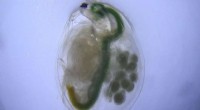
* Increase contrast: Many microorganisms are colorless and transparent. Staining adds color, making them easier to see under a microscope. This is particularly crucial for studying the morphology (shape and structure) of the organism.
* Highlight specific structures: Different stains target different cellular components. For instance, Gram staining distinguishes between bacteria with different cell wall compositions, while endospore stains reveal the presence of resistant spores within some bacteria.
2. Identification:
* Differential staining: Some stains differentiate between different types of organisms. For example, Gram staining categorizes bacteria as Gram-positive or Gram-negative based on their cell wall structure, providing crucial information for diagnosis and treatment.
* Specific staining: Stains can also reveal the presence of specific structures or substances, such as capsules, flagella, or glycogen granules, which can help identify the organism.
3. Study of Cellular Processes:
* Metabolic activities: Some stains are used to visualize metabolic processes, such as the uptake of nutrients or the production of certain enzymes.
* Cellular function: Staining can highlight different organelles and structures within the cell, giving insights into their roles and interactions.
4. Medical and Diagnostic Applications:
* Disease diagnosis: Staining is essential for identifying pathogens in clinical specimens, allowing for prompt diagnosis and treatment.
* Monitoring disease progression: Staining can be used to track the growth and spread of microorganisms during infection.
Overall, staining an unknown organism is a crucial technique that enhances visualization, aids in identification, and provides valuable information about cellular structures and processes, leading to better understanding and management of microorganisms in various fields.