Here's a breakdown of the process:
1. Genetic Blueprint: Every cell in your body contains the same DNA, the genetic blueprint for your entire organism. However, not all genes are active in every cell.
2. Gene Regulation: During development, specific genes are turned on or off in different cells. This regulation is controlled by various factors, including:
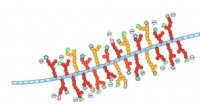
* Transcription factors: Proteins that bind to DNA and control the rate of gene transcription (the process of copying DNA into RNA).
* Signaling molecules: Chemical messengers that travel between cells and activate specific pathways within the cell.
3. Cell-Cell Interactions: Cells interact with each other and their environment, influencing their differentiation pathway. This can involve direct contact or the exchange of signaling molecules.
4. Progressive Changes: As cells differentiate, they undergo a series of changes:
* Changes in gene expression: Specific genes are turned on or off, leading to the production of unique proteins.
* Changes in cell shape and structure: Cells develop specialized organelles and structures.
* Changes in cell function: Cells acquire specific roles within the organism, such as muscle contraction, nerve impulse transmission, or hormone production.
5. Cell Fate Determination: This complex process eventually leads to the formation of specialized cell types, such as muscle cells, nerve cells, blood cells, and skin cells. Each cell type performs a specific function within the body, contributing to the overall functioning of the organism.
Here are some important points to remember:
* Stem Cells: Undifferentiated cells with the potential to develop into various specialized cell types are known as stem cells.
* Environmental Influences: External factors like nutrition, temperature, and exposure to chemicals can also influence cell differentiation.
* Developmental Disorders: Errors in cell differentiation can lead to developmental disorders.
Cell differentiation is a complex and fascinating process that is fundamental to the development and function of all multicellular organisms.