Home
Chemistry
Astronomy
Energy
Nature
Biology
Physics
Electronics
Science
>>
Science Discoveries
> >>
Biology
Unicellular vs. Multicellular Organisms: Key Differences Explained
Organisms composed of a single cell are called
unicellular
, while organisms composed of more than one cell are called
multicellular
.
Autotrophs: Understanding Organisms That Produce Their Own Food
Nucleolus: Role in Ribosome Biogenesis & Protein Synthesis
Biology
New Insights into Sex Determination in Bursaphelenchus Nematodes: Implications for Pest Management
Snakehead Fish: How Parental Care & Trophic Eggs Fuel Their Success
Measuring the Weight of Life: Scientists Quantify a Single Human Cell
Science Discoveries
Insect Populations in the UK Decline Significantly - Buglife Study
Star‑Derived Elements: The 66‑Year‑Old Discovery That Transformed Astrophysics
Revolutionary Low-Profile Ankle Exoskeleton Fits Under Clothes, Promising Wide Adoption
Science Discoveries
Chemistry
Astronomy
Energy
Nature
Biology
Physics
Electronics
Geology
Solar Eclipse
Math
other
Nanotechnology
Biology
Expert Guide to Coyote and Cat Coexistence in Urban Environments
Revolutionary Screening Method Accelerates Development of Drought-Resistant Crops
Vaquita Porpoise: A Glimmer of Hope for the World's Smallest Marine Mammal
Citizen Science & Bird Monitoring: Leveraging Public Data for Research
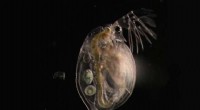
Pollution's Legacy: Epigenetic Effects Persist Through Generations in Water Fleas
UCF Study Reveals What Motivates Wildlife Rangers to Persevere
|
Geology
|
Math
|
Solar Eclipse
Science Discoveries © www.scienceaq.com