Here's a breakdown:
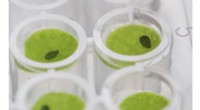
* Photoautotrophs: These organisms use sunlight as their energy source and convert it into chemical energy through photosynthesis. Plants, algae, and some bacteria are examples.
* Chemoautotrophs: These organisms obtain energy from the oxidation of inorganic molecules like hydrogen sulfide, ammonia, or methane. Some bacteria living in extreme environments like deep-sea vents are chemoautotrophs.
Both types of autotrophs are essential to the food chain because they form the base of the food web, providing energy for all other organisms.