Research:
* Cellular and Molecular Biology: Studying the structure and function of cells, genes, and proteins.
* Genetics: Investigating how traits are passed down from generation to generation, and the mechanisms of inheritance.
* Ecology: Examining the interactions between organisms and their environment.
* Evolutionary Biology: Studying the origins and diversification of life on Earth.
* Biotechnology: Using biological systems and organisms for various purposes, including medicine, agriculture, and industry.
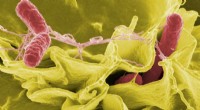
* Microbiology: Studying microorganisms, such as bacteria, viruses, and fungi.
* Zoology: Studying animals, their behavior, anatomy, and physiology.
* Botany: Studying plants, their structure, function, and classification.
Applied Biology:
* Medicine: Developing new treatments and cures for diseases.
* Agriculture: Improving crop yields and developing disease-resistant plants.
* Environmental Science: Studying the impact of humans on the environment and finding solutions to environmental problems.
* Bioengineering: Designing and creating biological systems and products.
* Bioinformatics: Using computer science and statistics to analyze biological data.
Other Activities:
* Teaching and Education: Educating students about biology and its applications.
* Writing and Communication: Communicating scientific findings to the public and other scientists.
* Policy and Advocacy: Working to influence policies related to biology and its impact on society.
These are just a few examples of the many activities that fall within the field of biology. Biology is a vast and diverse field with endless opportunities for exploration and discovery.