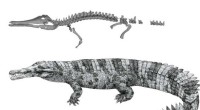
1. Fossil Record: Fossils provide a historical record of life on Earth. By analyzing the age, structure, and location of fossils, scientists can trace evolutionary lineages and see how organisms have changed over time.
2. Comparative Anatomy: This involves comparing the structures of different organisms. Homologous structures (similar structures with different functions, like the bones in a whale fin and a human arm) suggest common ancestry, while analogous structures (structures with similar functions but different underlying structures, like the wings of a bird and the wings of a butterfly) suggest convergent evolution (developing similar features due to similar environments).
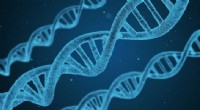
3. Molecular Biology: By comparing DNA, RNA, and protein sequences, scientists can determine how closely related organisms are. The more similar the sequences, the more recently they shared a common ancestor. This is powerful evidence for evolutionary relationships.
4. Embryology: Observing the development of embryos can reveal similarities in early development, even in organisms that look quite different as adults. This can indicate shared ancestry and provide clues about evolutionary relationships.
Let me know if you'd like to explore any of these in more detail!