What are they?
* Organelles are specialized structures within a cell that perform specific functions. They are like tiny organs within a larger organism.
* They are found in both eukaryotic cells (animals, plants, fungi, protists) and prokaryotic cells (bacteria, archaea).
* They are membrane-bound compartments that create distinct environments within the cell, allowing for different chemical reactions to occur simultaneously.
Key Facts:
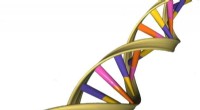
* Nucleus: Contains the cell's genetic material (DNA) and controls cellular activities.
* Ribosomes: Sites of protein synthesis, reading the genetic code from mRNA to produce proteins.
* Endoplasmic Reticulum (ER): A network of interconnected membranes involved in protein folding, lipid synthesis, and detoxification.
* Golgi Apparatus: Processes and packages proteins and lipids, preparing them for export or use within the cell.
* Mitochondria: The "powerhouses" of the cell, producing ATP (energy currency) through cellular respiration.
* Chloroplasts: Found in plants and algae, they carry out photosynthesis, converting light energy into chemical energy.
* Lysosomes: Contain enzymes for breaking down cellular waste, worn-out organelles, and engulfed materials.
* Vacuoles: Store water, nutrients, and waste products, maintaining turgor pressure in plant cells.
* Peroxisomes: Contain enzymes for breaking down fatty acids and detoxification of harmful substances.
Other Important Facts:
* The number and types of organelles vary depending on the cell type and its function.
* Organelles work together in a coordinated manner to maintain cell life.
* The structure of an organelle is directly related to its function.
* The study of organelles helps us understand cellular processes, diseases, and potential therapeutic targets.
Fun Fact: Some organelles, like mitochondria and chloroplasts, are thought to have originated from ancient bacteria that were engulfed by early eukaryotic cells!
This is just a brief overview. The fascinating world of organelles is vast and complex, with much more to learn and discover!