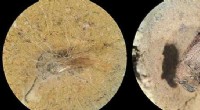
Beneficial microorganisms, often called probiotics, are microscopic organisms that play crucial roles in maintaining the health and well-being of humans, animals, plants, and even the environment. They are a diverse group, encompassing bacteria, fungi, yeasts, and algae, and they are found in many different environments, including our bodies, soil, water, and air.
Here's a closer look at the benefits of these tiny allies:
Benefits for Humans:
* Digestive health: Probiotics like Lactobacillus and Bifidobacterium are essential for proper digestion, aiding in nutrient absorption, preventing diarrhea, and reducing bloating and constipation.
* Immune system: These microbes stimulate the immune system by providing competition against harmful pathogens, reducing inflammation, and enhancing the body's natural defenses.
* Mental health: Studies suggest a link between gut bacteria and mental well-being, as probiotics can influence brain function and reduce symptoms of anxiety and depression.
* Skin health: Topical application of probiotics can improve skin barrier function, reduce acne, and protect against harmful UV radiation.
* Allergy and asthma: Early exposure to certain beneficial bacteria can help prevent the development of allergies and asthma.
Benefits for Animals:
* Improved digestion and nutrient absorption: Probiotics in animal feed enhance the digestion process, leading to better weight gain and milk production.
* Enhanced immune response: They boost the immune system, making animals more resistant to infections and diseases.
* Reduced antibiotic use: Probiotics can often replace antibiotics in animal farming, leading to healthier animals and reduced antibiotic resistance.
Benefits for Plants:
* Improved nutrient uptake: Microbial communities in the soil help plants access nutrients more efficiently, leading to better growth and yield.
* Disease suppression: Beneficial microbes can compete with plant pathogens, reducing disease occurrence and severity.
* Enhanced stress tolerance: They help plants withstand environmental stresses such as drought, salinity, and heavy metal contamination.
Benefits for the Environment:
* Bioremediation: Some microorganisms can break down pollutants and contaminants in soil and water, cleaning up environmental hazards.
* Waste management: They play a vital role in decomposing organic waste, turning it into compost and reducing landfill waste.
* Carbon sequestration: Beneficial microbes can help sequester carbon from the atmosphere, mitigating climate change.
Key Takeaways:
* Beneficial microorganisms play a vital role in maintaining health and well-being for humans, animals, plants, and the environment.
* They are a diverse group with a wide range of benefits, including improved digestion, enhanced immunity, and environmental remediation.
* Understanding the importance of these microscopic allies is crucial for maintaining a healthy planet and promoting sustainable living.
To learn more:
* Visit the website of the American Gastroenterological Association for information on probiotics and digestive health.
* Explore the resources available from the United States Department of Agriculture on beneficial microbes in agriculture.
* Read about the role of microorganisms in environmental remediation on the website of the Environmental Protection Agency.