1. Basic Unit of Life: Cells are the fundamental building blocks of all living organisms. They carry out all the processes necessary for life, such as metabolism, growth, and reproduction. This means they create energy, synthesize proteins, and replicate themselves to ensure the continued existence of the organism.
2. Specialized Functions: Different types of cells have specialized functions within the body. For example:
* Muscle cells contract to enable movement.
* Nerve cells transmit electrical signals to relay information throughout the body.
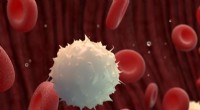
* Red blood cells transport oxygen throughout the body.
* Immune cells defend against pathogens.
3. Tissue Formation: Cells work together to form tissues, which are groups of similar cells with a common function. Tissues then form organs, and organs work together to form organ systems, ultimately creating the entire organism. This intricate organization is essential for the proper functioning of the body.