Here's a breakdown:
* Early Recognition: Doctors have been aware of severe, flesh-destroying infections for centuries. These were often attributed to unknown causes or to "poisoning" from wounds.
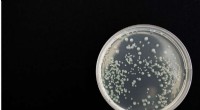
* Identification of Specific Bacteria: In the late 19th and early 20th centuries, scientists began isolating and identifying specific bacteria responsible for certain infections. This included bacteria like *Streptococcus pyogenes*, which can cause necrotizing fasciitis (a common form of flesh-eating infection).
* Understanding the Mechanism: Later research focused on understanding how these bacteria cause such severe tissue damage. This involved uncovering their ability to produce toxins and enzymes that break down tissue.
* Further Research: Ongoing research continues to investigate the different strains of bacteria involved, their virulence factors, and developing better treatments and preventative measures.
Therefore, the discovery of flesh-eating bacteria was a gradual process involving multiple scientists, doctors, and researchers over a long period.