Here's a breakdown of what makes eukaryotes unique:
Key Features:
* Membrane-bound nucleus: This structure contains the cell's genetic material (DNA) and controls cellular activities.
* Organelles: Eukaryotic cells have various specialized compartments called organelles, each with a specific function. Examples include mitochondria (energy production), Golgi apparatus (processing and packaging proteins), endoplasmic reticulum (protein synthesis and lipid metabolism), and lysosomes (waste breakdown).
* Cytoplasm: The gel-like substance that fills the cell and contains the organelles.
* Cytoskeleton: A network of protein fibers that provide support, structure, and aids in movement within the cell.
Examples of Eukaryotes:
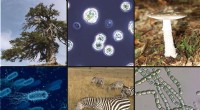
* Animals: All animals, from insects to humans, are eukaryotes.
* Plants: Plants, including trees, flowers, and grasses, are eukaryotes.
* Fungi: Mushrooms, yeasts, and molds are all eukaryotes.
* Protists: A diverse group of single-celled eukaryotes, like amoeba and paramecium.
Contrast with Prokaryotes:
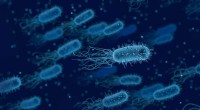
Eukaryotes are distinct from prokaryotes, which are single-celled organisms like bacteria and archaea. Prokaryotes lack a membrane-bound nucleus and other organelles. Their DNA is located in a region called the nucleoid, but it is not enclosed within a membrane.
Importance of Eukaryotes:
Eukaryotes play crucial roles in various ecosystems and are essential for life on Earth. They form the basis of food webs, contribute to nutrient cycling, and are involved in various symbiotic relationships.
I hope this explanation helps! Let me know if you have any other questions.