Here are some examples of adhesive mechanisms in biology:
Cellular Adhesion:
* Cell junctions: These specialized structures connect cells to each other, forming tissues and organs. Examples include:
* Tight junctions: Seal cells together to prevent leakage.
* Adherens junctions: Connect cells via cadherin proteins, providing structural support.
* Desmosomes: Anchoring junctions that provide strong connections between cells.
* Gap junctions: Allow communication between cells through channels.
* Cell-matrix adhesion: Cells can also attach to the extracellular matrix, a network of proteins and carbohydrates surrounding cells. This is mediated by integrins, a family of transmembrane receptors that bind to components of the ECM.
Tissue Adhesion:
* Connective tissues: These tissues are specialized for support and connection. They contain various adhesive molecules like collagen, elastin, and fibronectin that provide strength and elasticity.
* Epithelial tissues: These tissues form linings and coverings in the body. They rely on cell junctions and specialized adhesive proteins like cadherins and desmogleins to maintain their integrity.
Organismal Adhesion:
* Adhesive structures: Many organisms have evolved specialized structures for attachment, such as:
* Tentacles: Used by cephalopods for grasping prey.
* Claws: Used by animals for grasping and locomotion.
* Sticky pads: Used by insects and other animals for climbing and adhering to surfaces.
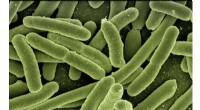
* Biofilms: Microorganisms can form biofilms, communities of cells encased in a matrix of extracellular polymers. This matrix is adhesive and allows the biofilm to adhere to surfaces.
Other Biological Adhesives:
* Mucus: A sticky secretion found in many animals that aids in lubrication and adhesion.
* Saliva: Contains enzymes and proteins that contribute to adhesion in the mouth.
* Spider silk: A strong and flexible protein-based adhesive used by spiders to capture prey.
Understanding the mechanisms of adhesion is essential for research in various fields, including:
* Biomaterials: Development of biocompatible materials for medical implants and tissue engineering.
* Biotechnology: Production of bioadhesives for drug delivery, wound healing, and other applications.
* Evolutionary biology: Understanding the evolution of adhesive mechanisms in different species.
In summary, adhesive mechanisms are crucial for maintaining the structure and function of biological systems at all levels, from cellular to organismal. Studying these mechanisms is vital for advancing our understanding of biology and developing new technologies.