1. Understanding Complex Biological Systems:
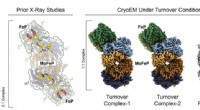
* Deciphering protein-protein interactions: Understanding how proteins interact within cells to form complexes and perform functions is crucial. Techniques like protein crystallography and mass spectrometry are continuously improving, but the sheer complexity of these networks remains a challenge.
* Modeling cellular processes: Simulating complex cellular processes like metabolism, signal transduction, and gene regulation is essential for gaining deeper insights. However, current models are often limited by the vast amount of data and the intricacy of these pathways.
* Studying the role of epigenetics: The study of heritable changes in gene expression that are not encoded in the DNA sequence is gaining momentum. Research into the mechanisms of epigenetic regulation and its role in diseases like cancer is ongoing.
2. Developing Novel Therapeutics:
* Drug discovery and development: The search for new and more effective drugs for various diseases is a constant endeavor. Understanding protein structures, biochemical pathways, and disease mechanisms is essential for designing targeted therapies.
* Overcoming drug resistance: Bacteria and cancer cells often develop resistance to existing drugs, highlighting the need for innovative drug development strategies. Research into overcoming resistance mechanisms is crucial.
* Personalized medicine: The development of tailored therapies based on an individual's genetic makeup and disease profile is a growing area of focus. This requires deeper understanding of the individual variations in biochemical pathways and responses to drugs.
3. Addressing Global Challenges:
* Food security: Biochemistry plays a critical role in optimizing food production and ensuring global food security. Research into plant biochemistry, crop improvement, and sustainable food production practices is essential.
* Climate change: Climate change impacts biological processes and ecosystems. Understanding the effects of environmental changes on biochemical processes is crucial for developing adaptation strategies.
* Bioenergy production: Biochemistry is fundamental to the development of sustainable bioenergy sources like biofuels. Research into photosynthetic processes, enzyme engineering, and biofuel production methods is essential.
4. Technological Advancements:
* High-throughput screening: Developing efficient and accurate methods for screening large libraries of compounds for potential drug candidates is crucial for accelerating drug discovery.
* Next-generation sequencing: The rapid development of sequencing technologies is revolutionizing our understanding of genomes and transcriptomes. This provides vast amounts of data that need to be analyzed and interpreted.
* CRISPR-Cas9 technology: This powerful gene editing tool opens up new avenues for research and therapeutic applications, but its ethical implications and potential risks need to be carefully considered.
These are just some of the current problems in biochemistry. The field is constantly evolving, and new challenges and opportunities will emerge as our understanding of biological processes deepens.