Here's how it connects to fossils and modern organisms:
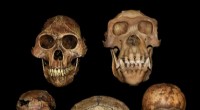
* Fossils: Fossils show a gradual change in life forms over time, demonstrating that organisms have evolved. The fossil record reveals lineages of organisms that share common ancestors, but have evolved over millions of years.
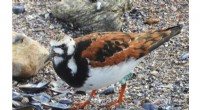
* Modern Organisms: By comparing the anatomy, physiology, and even genetic material of modern organisms, scientists can see similarities and differences that point to shared ancestry and evolution. This includes the presence of vestigial structures (like the human appendix) that are remnants of features that were functional in ancestors.
Natural Selection: This key mechanism of evolution is the process by which organisms with traits that are better suited to their environment are more likely to survive and reproduce, passing on those beneficial traits to their offspring. This leads to changes in the genetic makeup of a population over time.
Here's how the process works:
1. Variation: Within any population of organisms, there is natural variation in their traits. This variation is often due to genetic mutations.
2. Selection: Some variations make individuals better suited to their environment. These individuals are more likely to survive, reproduce, and pass on their advantageous traits.
3. Inheritance: The offspring inherit the beneficial traits from their parents. Over time, these traits become more common in the population.
In summary: The fossil record and the study of modern organisms provide evidence that life has evolved over time. The theory of evolution by natural selection explains how this evolution happens – through the inheritance of genetic changes that make individuals better suited to their environment.