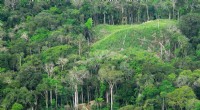
* All living organisms: From microscopic bacteria to giant sequoia trees, including all plants, animals, fungi, and microorganisms.
* The physical environment: This includes the atmosphere, hydrosphere (water), and lithosphere (earth's crust).
* The interactions between living organisms and their environment: This includes everything from photosynthesis to the decomposition of organic matter.
Think of the biosphere as a giant, interconnected web of life. Every living thing, from the smallest bacterium to the largest whale, plays a role in its complex functioning.
Here are some key aspects of the biosphere:
* Global scale: It extends from the deepest ocean trenches to the highest mountain peaks.
* Interconnectedness: All living things are interconnected through complex food webs and nutrient cycles.
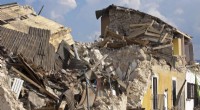
* Dynamic system: The biosphere is constantly changing and evolving due to factors like climate change, human activities, and natural disasters.
* Essential for life: It provides us with the air we breathe, the water we drink, and the food we eat.
Understanding the biosphere is crucial for addressing challenges like climate change, biodiversity loss, and pollution. By learning about the intricate interactions within the biosphere, we can work towards a more sustainable future for our planet.