Here's a breakdown of the key aspects:
Types of Succession:
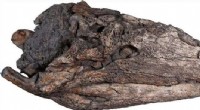
* Primary succession: This occurs in areas with no previous life, like newly formed volcanic islands or glacial retreats. It starts with pioneer species like lichens and mosses that can survive harsh conditions.
* Secondary succession: This occurs in areas that have been disturbed but still retain soil and some organic matter. It's faster than primary succession because it starts with existing soil and seeds. Examples include areas after a wildfire or deforestation.
Stages of Succession:
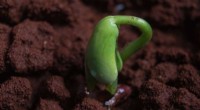
1. Pioneer Stage: Initial colonization by hardy, fast-growing species.
2. Intermediate Stage: Establishment of more diverse and complex communities.
3. Climax Stage: A relatively stable community with a balance of species, reaching a state of equilibrium.
Factors Driving Succession:
* Competition: Species compete for resources like light, water, and nutrients.
* Facilitation: Earlier species modify the environment, making it more suitable for later species.
* Inhibition: Some species can inhibit the growth of other species.
Understanding Succession:
Studying succession helps us understand:
* Ecosystem dynamics: How ecosystems change over time and respond to disturbances.
* Conservation: How to manage and restore ecosystems.
* Climate change: How ecosystems may be impacted by changing climate patterns.
It's important to note that succession is not always linear. Disturbances can interrupt the process, and ecosystems can experience fluctuations and changes even in the climax stage.
Let me know if you have any specific questions about succession or would like to explore any aspect in more detail!