1. DNA Extraction:
* The first step is isolating the DNA from cells. This involves breaking open the cells, separating the DNA from other cellular components, and purifying it.
* Methods vary based on the source material. For example, blood, tissue, or even ancient samples require different extraction protocols.
2. DNA Sequencing:
* Determines the exact order of nucleotides (A, T, C, G) in a DNA sequence.
* Sanger sequencing: Traditional method, uses chain termination to create fragments of varying lengths, allowing for identification of the order.
* Next-generation sequencing (NGS): High-throughput method that sequences millions or even billions of DNA fragments simultaneously.
* Sequencing allows scientists to:
* Identify specific genes or mutations.
* Study evolutionary relationships between species.
* Develop personalized medicine approaches.
3. Polymerase Chain Reaction (PCR):
* Amplifies specific DNA sequences.
* Uses enzymes and primers to create multiple copies of a target DNA region.
* Allows for studying DNA from small samples.
* Important for:
* Diagnosing genetic diseases.
* Forensic analysis.
* Studying gene expression.
4. Restriction Enzyme Digestion:
* Uses enzymes that cut DNA at specific sequences.
* Creates DNA fragments of different sizes, which can be analyzed by gel electrophoresis.
* Helps identify mutations or differences in DNA sequences.
* Essential for:
* Genetic mapping.
* DNA fingerprinting.
* Cloning.
5. Gel Electrophoresis:
* Separates DNA fragments by size.
* DNA is loaded onto a gel and subjected to an electric field.
* Smaller fragments move faster through the gel, creating a pattern of bands.
* Used for:
* Visualizing DNA fragments after restriction enzyme digestion.
* Analyzing the results of PCR.
* Identifying mutations or genetic variations.
6. DNA Microarrays:
* Use tiny spots containing known DNA sequences on a chip.
* Allows for simultaneous analysis of thousands of genes or DNA fragments.
* Used to study gene expression patterns.
* Helps identify genes involved in diseases or responses to treatments.
7. Chromatin Immunoprecipitation Sequencing (ChIP-seq):
* Identifies DNA regions that are bound by specific proteins.
* Used to understand gene regulation and how proteins interact with DNA.
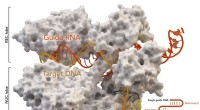
8. CRISPR-Cas9:
* A powerful tool for editing DNA sequences.
* Allows for targeted changes to specific genes.
* Used for:
* Studying gene function.
* Developing potential therapies for genetic diseases.
These are just a few of the many techniques used to analyze DNA. Each approach offers unique insights into the structure and function of this vital molecule. As technology continues to advance, even more sophisticated methods are being developed to unlock the secrets of the human genome and beyond.