1. Autotrophs: These bacteria make their own food, just like plants.
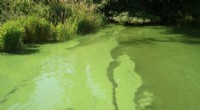
* Photoautotrophs: Use sunlight for energy, like plants, through photosynthesis. Examples include cyanobacteria.
* Chemoautotrophs: Get energy from inorganic compounds like sulfur, iron, hydrogen sulfide, or methane. They play vital roles in ecosystems like deep-sea vents.
2. Heterotrophs: These bacteria obtain energy from consuming other organisms or their byproducts.
* Saprotrophs: Decompose dead organisms and waste products, recycling nutrients back into the ecosystem. Think of the bacteria breaking down food in your compost bin.
* Parasites: Live inside or on other organisms, feeding off their hosts. Some are harmful (causing disease), while others are benign.
* Mutualists: Live in a mutually beneficial relationship with other organisms. For example, bacteria in your gut help you digest food.
* Chemoheterotrophs: Get energy from organic compounds like sugars, fats, and proteins. This is the most common type of bacteria.
Examples:
* E. coli: A common bacterium in the gut that helps with digestion. It is a chemoheterotroph.
* Staphylococcus aureus: A bacterium found on skin that can cause infections. It is a chemoheterotroph.
* Cyanobacteria: Photosynthetic bacteria that produce oxygen. They are photoautotrophs.
* Nitrifying bacteria: Important for nitrogen cycling in the environment. They are chemoautotrophs.
Remember:
* Some bacteria have complex nutritional needs and may require specific vitamins, minerals, or other factors for growth.
* Some bacteria can adapt their diet depending on the environment.
* Understanding what bacteria eat is crucial for managing bacterial growth in various applications, from food production to medicine.




![Dog Breed & Behavior: Separating Fact from Fiction | [Your Brand Name]](https://www.scienceaq.com/article/uploadfiles/202210/2022102023561850_S.jpg)