Biotic Factors: Living organisms in an ecosystem (plants, animals, bacteria, fungi, etc.)
Abiotic Factors: Non-living components of an ecosystem (temperature, sunlight, water, soil, air, etc.)
How they affect each other:
* Abiotic factors influence biotic factors:
* Temperature: Affects the growth and distribution of plants and animals. Certain species can only survive within a specific temperature range.
* Sunlight: Provides energy for photosynthesis, impacting plant growth, which in turn affects herbivores and the entire food chain.
* Water: Crucial for all living things, influencing plant growth, animal survival, and the distribution of ecosystems.
* Soil: Provides nutrients for plant growth, which supports the entire ecosystem.
* Air: Provides oxygen for respiration and influences weather patterns, impacting life.
* Biotic factors influence abiotic factors:
* Plants: Help regulate temperature by providing shade and releasing water vapor.
* Animals: Can alter soil composition through digging and waste products.
* Decomposers: Break down organic matter, releasing nutrients back into the soil.
* Population dynamics: Changes in population size can affect the availability of food and resources, impacting the abiotic environment.
Examples:
* Coral reefs: The presence of coral (biotic factor) depends on warm, clear water (abiotic factors). However, increasing ocean acidity due to climate change (abiotic factor) is harming the coral (biotic factor).
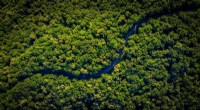
* Forests: Trees (biotic factor) regulate the amount of sunlight reaching the forest floor (abiotic factor), which influences the types of plants and animals that can thrive there.
* Human impact: Humans (biotic factor) can significantly alter the abiotic environment through pollution, deforestation, and climate change, leading to cascading effects on ecosystems.
The balance:
The interactions between biotic and abiotic factors create a delicate balance within ecosystems. When this balance is disrupted, it can lead to ecological changes, including:
* Species extinction
* Shifts in species distribution
* Changes in ecosystem function
Understanding the intricate relationship between biotic and abiotic factors is crucial for conservation efforts and managing ecosystems sustainably.