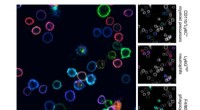
Here are some examples of the types of microscopic organisms that cause disease, and some well-known examples:
* Bacteria: These are single-celled organisms. Examples include:
* E. coli: Can cause food poisoning
* Streptococcus: Can cause strep throat
* Mycobacterium tuberculosis: Causes tuberculosis
* Viruses: These are even smaller than bacteria and require a host cell to reproduce. Examples include:
* Influenza virus: Causes the flu
* HIV: Causes AIDS
* Coronavirus: Causes COVID-19
* Fungi: These are multicellular organisms, though some are single-celled. Examples include:
* Candida albicans: Causes yeast infections
* Aspergillus: Can cause lung infections
* Parasites: These organisms live in or on a host and benefit at the host's expense. Examples include:
* Malaria parasite: Transmitted by mosquitos and causes malaria
* Giardia: A protozoan that causes intestinal illness
It's important to remember that there are many, many more examples than these, and the field of infectious disease is constantly evolving with new discoveries.