1. Nutrition: Obtaining and processing energy to sustain life. This includes processes like:
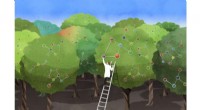
* Ingestion: Taking in food.
* Digestion: Breaking down food into usable nutrients.
* Absorption: Taking in the nutrients from the digestive system.
* Respiration: Using nutrients to produce energy (ATP).
* Excretion: Removing waste products.
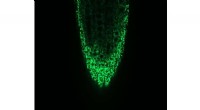
2. Growth and Development: Increasing in size and complexity, with specialized cells and tissues forming. This involves:
* Cell division: Producing new cells for growth and repair.
* Cell differentiation: Cells becoming specialized to perform specific functions.
* Morphogenesis: The development of the organism's shape and structure.
3. Reproduction: Creating new organisms. This can be:
* Sexual reproduction: Involving the combination of genetic material from two parents.
* Asexual reproduction: Involving a single parent producing offspring genetically identical to itself.
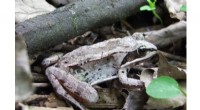
4. Response to stimuli: Responding to changes in the environment. This includes:
* Movement: Changing position in response to stimuli (e.g., running away from danger).
* Homeostasis: Maintaining a stable internal environment (e.g., regulating body temperature).
* Communication: Sending and receiving signals between cells and tissues.
* Behavior: Complex patterns of activity in response to stimuli.
It's important to remember that these categories are not mutually exclusive, and many processes overlap. For instance, nutrition is essential for growth and development, and responses to stimuli often involve changes in metabolism.
Instead of limiting multicellular organisms to four actions, it's more accurate to say they exhibit a wide range of complex and interconnected behaviors.