Here's how it works:
* Remote Sensing: This is a field that uses technology to collect data about the Earth's surface without physically being there. Satellites are one of the most important tools for this.
* Biologists and Remote Sensing: Biologists utilize remote sensing data to:
* Monitor wildlife populations: Satellites can help track animal movements, identify habitat changes, and assess population sizes.
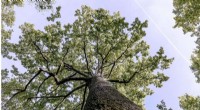
* Study vegetation: Satellite imagery helps biologists understand plant health, vegetation changes, and the effects of environmental factors.
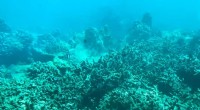
* Analyze ecosystems: Biologists can use satellite data to study the distribution and health of different ecosystems, like forests, wetlands, and coral reefs.
Other biologists who might use satellite technology indirectly:
* Climate Change Researchers: Satellites provide essential data about the Earth's atmosphere, ice cover, and ocean temperature, which are crucial for understanding climate change.
* Conservation Biologists: Satellites can help monitor deforestation, track poaching, and identify areas that need protection.
So, while a biologist wouldn't specialize in satellite technology itself, it's a powerful tool used by many different branches of biology.