Matter Exchange:
* Input: Biomes receive matter from:
* Sunlight: The primary energy source for most biomes, driving photosynthesis.
* Precipitation: Water essential for life processes.
* Nutrients: Minerals from weathering rocks, decomposition, and atmospheric deposition.
* Organic Matter: Leaves, dead animals, etc., from outside the biome.
* Output: Biomes release matter to:
* Atmosphere: Carbon dioxide, water vapor, and other gases.
* Hydrosphere: Runoff carrying dissolved nutrients.
* Lithosphere: Sediments and minerals deposited by erosion.
* Other biomes: Migration of organisms, seed dispersal, etc.
Energy Exchange:
* Input: Biomes gain energy from:
* Sunlight: The primary source of energy for most biomes.
* Food: Organisms consuming other organisms from outside the biome.
* Output: Biomes lose energy through:
* Heat: Energy is lost through respiration and metabolic processes.
* Decomposition: Energy is released during the breakdown of organic matter.
Open System Characteristics:
* Continuous flow of matter and energy: Biomes are constantly receiving and releasing matter and energy.
* Interaction with surroundings: They are influenced by and influence the surrounding environment.
* Dynamic and changing: Biomes are not static but constantly adapt to changes in climate, resources, and other factors.
Example:
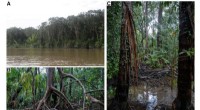
A rainforest biome receives large amounts of sunlight, rainfall, and nutrients from the surrounding environment. It releases oxygen, water vapor, and carbon dioxide back into the atmosphere. This constant exchange makes it an open system.
Conclusion:
Because biomes exchange matter and energy with their surroundings, they are classified as open systems. This exchange is crucial for the functioning and sustainability of these complex ecosystems.