* Size: Many organisms are incredibly small, like bacteria, viruses, and microscopic fungi. These require microscopes to be visible.
* Transparency: Some creatures, like jellyfish and certain insects, are transparent or translucent, making them blend in with their surroundings.
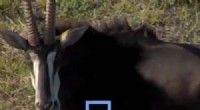
* Camouflage: Many animals have evolved to perfectly match their environment, making them difficult to spot. Think of a chameleon on a leaf, or a moth on a tree bark.
* Nocturnal Habits: Some animals are only active at night, avoiding our daytime vision.
* Habitat: Some organisms live in places we rarely visit, like deep oceans, soil, or inside other organisms.
* Limited Sensory Perception: Our vision is only one way to perceive the world. Other organisms use senses like smell, touch, or vibrations to detect their environment, allowing them to sense things we miss.
The Amazing World of the Unseen:
Despite our limitations, scientists are constantly developing new technologies to explore the hidden world around us. Microscopes, high-speed cameras, and specialized equipment are used to study the amazing diversity of organisms, both large and small, that we often take for granted.
In a nutshell, we can't see everything around us due to limitations in our size, sensory perception, and the hidden nature of many organisms' habitats and lifestyles.