Sexual Reproduction:
* Genetic Diversity: Sexual reproduction involves the combination of genetic material from two parents, creating offspring with unique combinations of genes. This genetic diversity is crucial for adaptation to changing environments. Beneficial mutations are more likely to be preserved and spread, while harmful mutations are less likely to accumulate.
* Increased Resistance to Disease: Diversity in a population makes it harder for a single disease or parasite to wipe out an entire species.
* Faster Evolution: Sexual reproduction accelerates the evolutionary process by shuffling genes and creating new combinations, leading to more rapid adaptation.
Asexual Reproduction:
* Efficiency: Asexual reproduction requires only one parent and no specialized structures for mating. This is very efficient, especially in stable environments.
* Rapid Population Growth: Asexual reproduction allows organisms to rapidly increase their population size, which is beneficial for colonizing new habitats or recovering from population crashes.
* Preservation of Successful Genotypes: Asexual reproduction allows organisms to preserve successful gene combinations, ensuring that offspring inherit traits that have proven advantageous in the current environment.
Combined Benefits:
Many organisms utilize both sexual and asexual reproduction, leveraging the advantages of both methods:
* Environmental Flexibility: Organisms can switch between sexual and asexual reproduction based on environmental conditions. They might reproduce sexually during times of stress or change to increase genetic diversity, while switching to asexual reproduction in stable environments to maximize population growth.
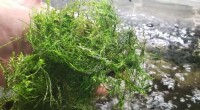
* Survival Strategy: Some organisms, like plants, use sexual reproduction to produce seeds for dispersal and asexual reproduction for rapid vegetative growth.
Ultimately, the choice between sexual and asexual reproduction is a balancing act between the benefits of genetic diversity and the efficiency of cloning. Organisms have evolved different strategies based on their specific environment, lifestyle, and evolutionary history.