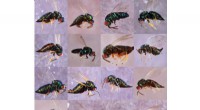
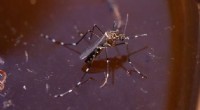
1. Morphological Data (Anatomy and Development):
* Homologous structures: These are structures that share a common ancestor, even if they have different functions. For example, the wings of a bat, the flippers of a whale, and the arms of a human are all homologous structures.
* Analogous structures: These structures have similar functions but evolved independently, indicating convergent evolution. For example, the wings of a bird and the wings of a butterfly.
* Developmental patterns: Similarities in embryonic development can also reveal evolutionary relationships.
2. Molecular Data (Genetics):
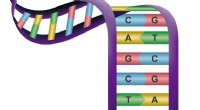
* DNA sequences: Comparing DNA sequences between different organisms can reveal how closely related they are. The more similar the DNA sequences, the more recently the organisms shared a common ancestor.
* Protein sequences: Similarities in amino acid sequences of proteins can also be used to infer evolutionary relationships.
* Gene expression patterns: Comparing gene expression patterns across different organisms can provide insights into evolutionary changes in development and function.
3. Fossil Evidence:
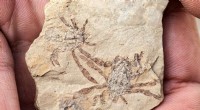
* Fossil record: Fossils provide direct evidence of past life and can be used to track the evolution of different species over time.
* Phylogenetic trees: By comparing fossil records with molecular data, scientists can construct phylogenetic trees, which are diagrams that show the evolutionary relationships among organisms.
4. Biogeography:
* Geographic distribution: The distribution of organisms across different regions can provide clues about their evolutionary history. For example, the presence of related species on islands often suggests that they evolved from a common ancestor that was once on the mainland.
5. Computational Methods:
* Phylogenetic analysis: Powerful computational tools are used to analyze large datasets of morphological, molecular, and fossil data to construct phylogenetic trees and infer evolutionary relationships.
These methods are often used in combination to provide a comprehensive understanding of evolutionary relationships. For example, scientists might use DNA sequences to confirm a relationship suggested by morphological data or use fossil evidence to calibrate the timing of evolutionary events.
It's important to remember that evolutionary relationships are constantly being refined as new data becomes available and analysis techniques improve.