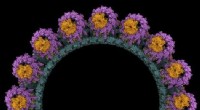
1. Messenger RNA (mRNA): mRNA is a linear molecule, resembling a long, single-stranded chain. It carries genetic information from DNA in the nucleus to the ribosomes in the cytoplasm, where it serves as a template for protein synthesis. The mRNA molecule is folded into a complex three-dimensional structure that allows for the binding of ribosomes and other proteins involved in translation.
2. Transfer RNA (tRNA): tRNA is a cloverleaf-shaped molecule. It has a distinctive three-dimensional structure with four arms: the acceptor stem, the D arm, the TψC arm, and the anticodon arm. The acceptor stem binds to an amino acid, while the anticodon arm recognizes and binds to a specific codon on the mRNA molecule. This cloverleaf structure allows tRNA to accurately deliver the correct amino acid to the growing polypeptide chain during translation.
3. Ribosomal RNA (rRNA): rRNA is a globular molecule that forms the core of ribosomes, the cellular machinery responsible for protein synthesis. rRNA molecules are highly structured, with a complex network of helices and loops. These intricate structures are essential for their function in protein synthesis, including binding to mRNA, aligning tRNAs, and catalyzing peptide bond formation.
Summary:
* mRNA: Linear chain with complex 3D folding
* tRNA: Cloverleaf shape with four arms
* rRNA: Globular structure with helices and loops
It's important to note that the shapes of these RNA molecules are dynamic and can change depending on their interactions with other molecules. These structural variations are crucial for their specific functions within the cell.