Here's why:
* Structure: This term refers to the arrangement of parts within a cell. It includes the different organelles, their locations, and their relationships to each other.
* Organization: This term emphasizes the ordered and specific way in which these parts are arranged and function together.
You could also say that the cell is organized or has a cellular architecture.
Here are some examples of the structural components of a cell:
* Cell membrane: The outer boundary of the cell.
* Cytoplasm: The gel-like substance that fills the cell and contains the organelles.
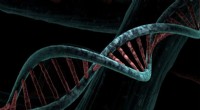
* Nucleus: The control center of the cell, containing DNA.
* Mitochondria: The powerhouses of the cell, producing energy.
* Ribosomes: Sites of protein synthesis.
* Endoplasmic reticulum: A network of membranes involved in protein and lipid synthesis.
* Golgi apparatus: Processes and packages proteins for secretion.
The specific arrangement and organization of these components vary depending on the type of cell.