* Meiosis: During sexual reproduction, the parents each contribute half of their genetic material to the offspring through specialized cells called gametes (sperm and egg). Meiosis, the process of creating these gametes, shuffles the parental genes through a process called crossing over and independent assortment. This results in unique combinations of chromosomes in each gamete.
* Random fertilization: The egg and sperm that combine to form a zygote are chosen randomly from the millions of potential gametes produced by each parent. This randomness further increases the genetic diversity of the offspring.
Therefore, all sexually reproducing species can produce offspring that are genetically different from their parents. This is the foundation of genetic diversity and evolution.
Here are some examples:
* Humans: We inherit half of our DNA from our mother and half from our father, resulting in unique combinations that make us different from our parents and siblings.
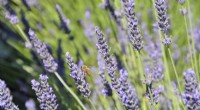
* Plants: Many flowering plants rely on pollinators to transfer pollen between different flowers. This cross-pollination leads to genetic mixing and diverse offspring.
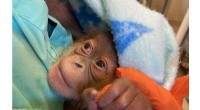
* Animals: From insects to mammals, sexual reproduction ensures that offspring are genetically different, which is crucial for adaptation and survival in changing environments.
However, species that reproduce asexually (like bacteria and some plants) typically produce offspring that are genetically identical clones of the parent.