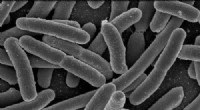
1. Cilia and Flagella: These hair-like projections extend from the cell surface. Cilia are short and numerous, while flagella are longer and fewer in number. They beat rhythmically, creating movement through fluids.
2. Microtubules: These are long, hollow tubes that form part of the cytoskeleton. They provide structural support and act as tracks for motor proteins like dynein and kinesin. These proteins can move organelles and vesicles along microtubules, contributing to cell movement.
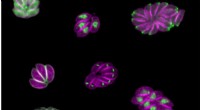
3. Actin filaments: These are thin, fibrous proteins that also form part of the cytoskeleton. They are involved in a variety of cellular processes, including cell crawling and muscle contraction. Actin filaments can polymerize and depolymerize, allowing for dynamic changes in cell shape that facilitate movement.
While not technically an organelle, it's important to mention that the cell membrane also plays a crucial role in cell movement. Its fluidity allows for changes in shape and the formation of extensions that help cells move.