Based on structure:
* Chromatin: DNA is packaged within a complex structure called chromatin, which includes proteins called histones and other regulatory molecules. Chromatin is responsible for compacting DNA and regulating gene expression.
* RNA: While DNA holds the genetic blueprint, RNA carries out many crucial functions, like protein synthesis. RNA is also more structurally diverse than DNA, with different types like mRNA, tRNA, and rRNA, each with specialized roles.
* Proteins: Proteins are built based on the information in DNA, and their structures are incredibly complex. They perform a vast array of functions, from enzymes catalyzing reactions to structural components in cells.
Based on function:
* Cellular Processes: The processes happening inside a cell are incredibly complex, involving interactions between DNA, RNA, proteins, and many other molecules. These processes include transcription, translation, replication, and countless metabolic pathways.
* Organisms: Life itself is a complex system built upon DNA. The interactions of cells, tissues, organs, and organisms create intricate networks of information and regulation.
* Ecosystems: Moving beyond individual organisms, ecosystems encompass interactions between different species, their environments, and the physical and chemical factors at play. This level of complexity is vast and interconnected.
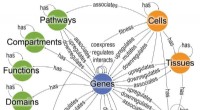
The key point is that complexity isn't just about the size or number of parts. It's also about the interactions and relationships between these parts.
So, it's not necessarily accurate to say one thing is *more* complex than DNA. It's more about considering the different levels of complexity, each with its own intricate organization and dynamics.