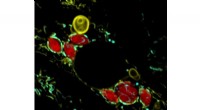
1. Epithelial Tissue: This tissue covers the surfaces of the body, lines body cavities, and forms glands. It acts as a barrier, protects underlying tissues, absorbs and secretes substances, and allows for diffusion. Examples include skin, lining of the digestive tract, and lining of blood vessels.
2. Connective Tissue: This tissue supports and binds other tissues together. It provides structure, protection, and insulation, and helps transport substances. Examples include bone, cartilage, blood, and adipose tissue (fat).
3. Muscle Tissue: This tissue is specialized for contraction and movement. It allows for locomotion, posture maintenance, and internal movements like digestion and blood circulation. Examples include skeletal muscle, smooth muscle, and cardiac muscle.
4. Nervous Tissue: This tissue is responsible for communication and coordination within the body. It receives sensory input, integrates information, and transmits signals to control bodily functions. Examples include the brain, spinal cord, and nerves.