Biotic (Living) Factors:
1. Trees: They are living organisms that provide shade, oxygen, and habitat for other creatures.
2. Bacteria: These microscopic organisms play a crucial role in decomposition and nutrient cycling.
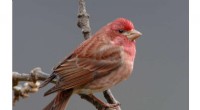
3. Birds: Birds contribute to seed dispersal and insect control.
4. Fungi: Fungi break down dead organic matter and form symbiotic relationships with plants.
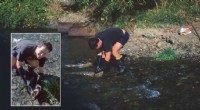
5. Humans: Humans are a significant biotic factor, impacting the environment through various activities like agriculture and urbanization.
Abiotic (Non-Living) Factors:
1. Sunlight: Provides energy for photosynthesis and influences temperature.
2. Water: Essential for life, plays a role in weathering and erosion.
3. Temperature: Affects metabolic rates and the distribution of organisms.
4. Soil: Provides nutrients and support for plants, and is influenced by climate and geological processes.
5. Wind: Affects plant growth and can cause erosion.