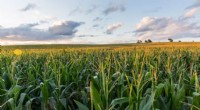
1. Food Source: Plants are the primary food source for most animals.
* Herbivores: These animals, like cows, deer, and caterpillars, eat plants directly.
* Omnivores: Animals like humans and bears eat both plants and animals, but plants are still a significant part of their diet.
* Carnivores: Even carnivores rely on plants indirectly, as the animals they hunt (herbivores) eat plants.
2. Oxygen Production: Plants release oxygen as a byproduct of photosynthesis. This oxygen is essential for animals to breathe and survive.
3. Habitat: Plants provide shelter and protection for many animals.
* Forests: Trees provide homes for birds, squirrels, insects, and many other animals.
* Grasslands: Grasses offer hiding places and nesting sites for animals like rabbits and snakes.
* Coral reefs: Algae provide food and shelter for countless fish and invertebrates.
4. Regulation of Climate: Plants help regulate the Earth's climate by absorbing carbon dioxide during photosynthesis and releasing oxygen. This process helps to mitigate the effects of global warming.
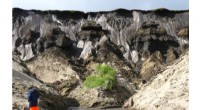
5. Soil Formation and Health: Plants contribute to the formation of fertile soil by breaking down rocks and adding organic matter. This healthy soil supports plant growth, which in turn supports the animals that rely on them.
6. Medicine and Materials: Plants are the source of many medicines and materials used by humans and animals.
* Medicines: Many drugs are derived from plants, treating a wide range of ailments.
* Materials: Plants provide us with wood, paper, textiles, and other essential materials.
In conclusion, plants are fundamental to the existence and well-being of animals. Without plants, the entire ecosystem would collapse, and life as we know it would cease to exist.