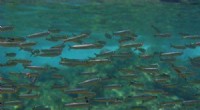
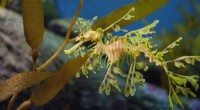
1. Species Diversity: This is the most common way to think about diversity. It refers to the number of different species present in a particular area or on the planet. It's like counting the different types of animals, plants, fungi, bacteria, and so on.
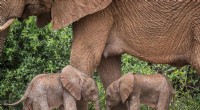
2. Genetic Diversity: This refers to the variation in genes within a species. This variation is important for a species to adapt to changing environments and survive. Think of the diverse breeds of dogs, each with unique genetic traits.
3. Ecosystem Diversity: This refers to the variety of ecosystems present on Earth. Ecosystems are interconnected communities of living organisms and their physical environment. This could include rainforests, coral reefs, deserts, and many more.
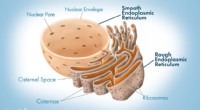
4. Functional Diversity: This refers to the variety of roles that different organisms play in their ecosystem. Some organisms are producers, others are consumers, some are decomposers, and some are pollinators.
Why is Diversity Important?
* Resilience: Diversity makes ecosystems more resilient to disturbances like disease, climate change, and pollution.
* Stability: Diverse ecosystems are more stable and less likely to collapse.
* Ecosystem Services: Biodiversity provides many essential services to humans, like clean air and water, food, and medicines.
* Evolutionary Potential: Diversity allows for ongoing evolution and adaptation.
Overall, the diversity of life is a measure of the richness and complexity of the living world. Understanding and preserving this diversity is essential for the health and well-being of the planet and its inhabitants.