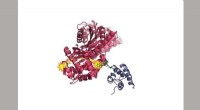
Osmotolerant organisms are those that can survive and thrive in environments with a wide range of salt concentrations. They possess unique adaptations that allow them to maintain their internal water balance and cellular function despite fluctuations in external osmotic pressure.
Here's a breakdown of what makes them special:
1. Tolerance: The Key Feature
* High salt concentration: Osmotolerant organisms can handle significantly higher levels of salt compared to non-tolerant species.
* Fluctuating salinity: They are resilient to changes in salt concentration, which is crucial in environments like estuaries or coastal areas where salinity can fluctuate widely.
2. Survival Mechanisms: Adapting to Salinity
* Water retention: They maintain a high internal water concentration by regulating water movement across cell membranes. This is achieved through mechanisms like:
* Accumulation of compatible solutes: These organic compounds (e.g., sugars, amino acids) don't disrupt cellular processes but help retain water.
* Active transport: Specialized pumps transport ions across cell membranes to balance internal osmotic pressure.
* Salt exclusion: Some organisms have mechanisms to prevent salt from entering their cells, minimizing osmotic stress.
* Water acquisition: They may develop specialized structures for extracting water from their environment, like specialized roots in plants or efficient water intake in animals.
3. Examples of Osmotolerant Organisms
* Microorganisms: Many bacteria, fungi, and algae exhibit osmotolerance. They play vital roles in saline environments, contributing to nutrient cycling and decomposition.
* Plants: Halophytes are plants adapted to salty environments, like mangroves and saltmarsh grasses. They employ various mechanisms to cope with high salt concentrations.
* Animals: Some crustaceans, fish, and insects can survive in highly saline waters, adapting to salinity changes through physiological adjustments.
4. Importance in Ecosystems
* Nutrient cycling: Osmotolerant organisms contribute significantly to nutrient cycling in saline ecosystems, playing a key role in the food web.
* Ecological stability: They are crucial for maintaining the balance of coastal and marine ecosystems, acting as primary producers and supporting biodiversity.
* Biotechnology: Their unique adaptations make them valuable in biotechnology applications like bioremediation and the production of bio-compatible compounds.
In summary, osmotolerant organisms are remarkable survivors capable of thriving in extreme salt environments. Their unique adaptations provide insights into cellular mechanisms and offer potential for various biotechnological applications.