1. DNA: The Blueprint of Life
* DNA, or deoxyribonucleic acid, is a complex molecule that carries the genetic instructions for building and maintaining an organism. It's structured like a twisted ladder, with each rung composed of four chemical bases: adenine (A), thymine (T), guanine (G), and cytosine (C).
* The sequence of these bases within DNA is crucial, acting like a code that dictates the production of proteins.
2. Genes: Segments of DNA Instructions
* Genes are specific segments of DNA that contain the instructions for building a particular protein. Each gene holds the code for one protein, like a single sentence in a long book.
* The sequence of bases within a gene determines the sequence of amino acids that make up the protein.
3. Transcription: DNA to RNA
* When a gene needs to be expressed, its DNA sequence is copied into a messenger molecule called RNA (ribonucleic acid). This process is called transcription.
* RNA is essentially a temporary copy of the DNA, which then travels out of the nucleus to the cytoplasm where protein synthesis occurs.
4. Translation: RNA to Protein
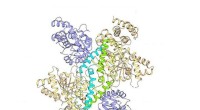
* In the cytoplasm, the RNA molecule encounters ribosomes, tiny cellular factories that read the RNA code and translate it into a chain of amino acids.
* This process is called translation. The specific sequence of amino acids in this chain determines the protein's three-dimensional structure and function.
5. Proteins: The Workhorses of the Cell
* Proteins perform a wide array of functions within the body, including:
* Building and maintaining tissues
* Carrying oxygen in the blood (hemoglobin)
* Regulating chemical reactions (enzymes)
* Fighting infections (antibodies)
* Signaling between cells
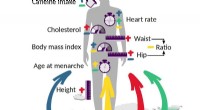
* The specific proteins produced in an organism, determined by its DNA, ultimately dictate its observable traits or characteristics, such as eye color, height, and susceptibility to certain diseases.
In essence, DNA acts as a blueprint, genes represent specific instructions within the blueprint, and proteins are the building blocks and workers that translate those instructions into physical characteristics.
Factors Influencing Expression
* Environmental Factors: Environmental influences, such as diet, exposure to toxins, and stress, can also influence gene expression.
* Epigenetics: Modifications to DNA that do not alter the sequence itself, like adding chemical tags, can influence how genes are read and expressed.
Conclusion
The relationship between DNA and genetic characteristics is intricate and dynamic. The process of gene expression, where DNA code is translated into proteins that carry out specific functions, is essential to understanding how our genetic makeup determines who we are.