1. Visibility: Cells are incredibly small, far too small to be seen with the naked eye. Microscopes allow us to magnify these tiny structures, making them visible and allowing us to study their details.
2. Discovery of Cells: The invention of the microscope in the 17th century led to the groundbreaking discovery of cells. Robert Hooke's observations of cork cells in 1665 marked the beginning of our understanding of the fundamental unit of life.
3. Understanding Cell Structure: Microscopes allowed scientists to observe the internal structures of cells, revealing the presence of organelles like the nucleus, mitochondria, and chloroplasts. This led to a deeper understanding of how cells function and interact.
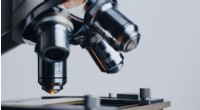
4. Advancements in Microscopy: The development of various types of microscopes, including light microscopes, electron microscopes, and confocal microscopes, has significantly enhanced our ability to visualize cells. Electron microscopes, for instance, provide much higher resolution, enabling us to see the intricate details of cellular components.
5. Studying Cell Processes: Microscopes are essential for studying various cellular processes, including cell division, protein synthesis, and the transport of molecules within cells. By observing these processes in real-time, scientists can gain insights into the intricate mechanisms of life.
6. Medical and Biological Research: Microscopes are indispensable tools in medical and biological research. They are used for:
* Diagnosing diseases by identifying microorganisms and abnormal cells
* Developing new drugs and therapies
* Studying the effects of environmental toxins on cells
* Understanding the mechanisms of genetic disorders
7. Understanding the Diversity of Life: Microscopes have allowed us to see the incredible diversity of cells across different organisms, from single-celled bacteria to complex multicellular organisms. This has led to a better understanding of the evolution and relationships between different species.
In summary, microscopes have been fundamental to our understanding of cells, providing the tools to observe, study, and unravel the complexities of life at the cellular level.