Basic Laboratory Equipment:
* Microscope: Used to visualize cells, tissues, and subcellular structures.
* Centrifuge: Used to separate components of a mixture based on density.
* Spectrophotometer: Used to measure the absorbance and transmittance of light through a solution, allowing quantification of molecules.
* Pipettes: Used to accurately measure and transfer small volumes of liquids.
* Incubator: Used to maintain a constant temperature for cell cultures and reactions.
* Autoclave: Used to sterilize equipment and materials.
* Electrophoresis equipment: Used to separate molecules based on size and charge.
* Gel documentation system: Used to visualize and capture images of gels.
Molecular Biology Techniques:
* DNA extraction and purification: Isolating DNA from cells or tissues.
* PCR (Polymerase Chain Reaction): Amplifying specific DNA sequences.
* RT-PCR (Reverse Transcriptase PCR): Amplifying RNA sequences, allowing the study of gene expression.
* Cloning: Inserting a gene of interest into a vector for replication and expression.
* Sequencing: Determining the order of nucleotides in a DNA or RNA sequence.
* Gene editing: Modifying the genetic code of organisms.
* Protein expression and purification: Producing and isolating proteins of interest.
* Western blotting: Detecting specific proteins in a sample.
* ELISA (Enzyme-Linked Immunosorbent Assay): A sensitive technique for detecting and quantifying proteins.
* Flow cytometry: Analyzing and sorting cells based on their properties.
* Microscopy techniques:
* Fluorescence microscopy: Visualizing specific molecules using fluorescent dyes.
* Confocal microscopy: Obtaining high-resolution images of thick samples.
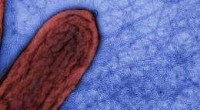
* Electron microscopy: Obtaining extremely high-resolution images of cells and molecules.
Bioinformatics Tools:
* Sequence alignment software: Comparing sequences to identify similarities and differences.
* Genome browsers: Navigating and analyzing entire genomes.
* Statistical analysis software: Analyzing experimental data and identifying trends.
* Molecular modeling software: Simulating the structure and dynamics of molecules.
This list is not exhaustive, and the specific tools and techniques used by a molecular biologist will depend on the research question being addressed. Additionally, new technologies and tools are constantly being developed, advancing the field of molecular biology.