* We haven't discovered everything: Scientists are constantly finding new species, especially in the oceans and remote environments. We likely don't even know how many species exist yet.
* Definitions are tricky: What exactly is an "organism"? Do we include viruses, bacteria, fungi? How about single-celled organisms? The definition impacts the number.
* Population fluctuates: The number of organisms is constantly changing based on factors like birth, death, migration, and environmental conditions.
Estimates vary wildly. Some estimates suggest there are millions of species on Earth, while others propose billions or even trillions, if you include microbes.
But we can talk about the diversity of life:
* Domains: The main categories of life are Bacteria, Archaea, and Eukarya.
* Kingdoms: Within Eukarya, we have kingdoms like animals, plants, fungi, and protists.
* Phyla, Classes, Orders, Families, Genera, Species: Within each kingdom, there are further classifications that break down the diversity of life into increasingly specific groups.
Examples of organisms:
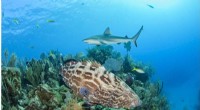
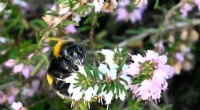
* Animals: mammals, birds, reptiles, amphibians, fish, insects, etc.
* Plants: trees, flowers, grasses, ferns, etc.
* Fungi: mushrooms, molds, yeasts, etc.
* Bacteria: found in soil, water, and even inside our bodies.
* Archaea: thrive in extreme environments like hot springs or salty lakes.
Ultimately, the number of organisms is a constantly changing and evolving concept.