Here's a breakdown:
Common Organelles in Animal Cells:
* Nucleus: Contains the genetic material (DNA) and controls cellular activities.
* Ribosomes: Synthesize proteins.
* Endoplasmic Reticulum (ER): A network of membranes involved in protein and lipid synthesis and transport.
* Golgi Apparatus: Modifies, sorts, and packages proteins and lipids.
* Mitochondria: Powerhouses of the cell, responsible for cellular respiration and energy production.
* Lysosomes: Contain enzymes that break down waste materials.
* Cytoplasm: The gel-like substance that fills the cell and contains the organelles.
* Cell Membrane: The outer boundary of the cell, regulating what enters and leaves.
Specialized Organelles in Certain Animal Cells:
* Cilia and Flagella: Hair-like structures involved in movement (e.g., sperm cells, cells lining respiratory tract).
* Centrioles: Play a role in cell division.
* Vacuoles: Storage compartments for water, nutrients, and waste (smaller and more numerous in animal cells compared to plant cells).
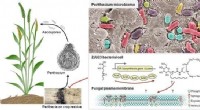
* Peroxisomes: Break down fatty acids and detoxify harmful substances.
Examples of Cell Type-Specific Organelles:
* Muscle Cells: Contain myofibrils (contractile fibers) for movement.
* Nerve Cells: Have axons and dendrites for transmitting electrical signals.
* Red Blood Cells: Lack a nucleus and have a high concentration of hemoglobin for oxygen transport.
In summary: While all animal cells have a core set of organelles, their specific composition and abundance can vary greatly depending on the cell's function and type.